
Each October, Campus Sustainability Month unites colleges and universities worldwide in celebrating environmental stewardship and inspiring action toward a more sustainable future.
Organized by the Association for the Advancement of Sustainability in Higher Education (www.aashe.org), the special month provides a platform for institutions to highlight their environmental progress and set new goals for the year ahead.
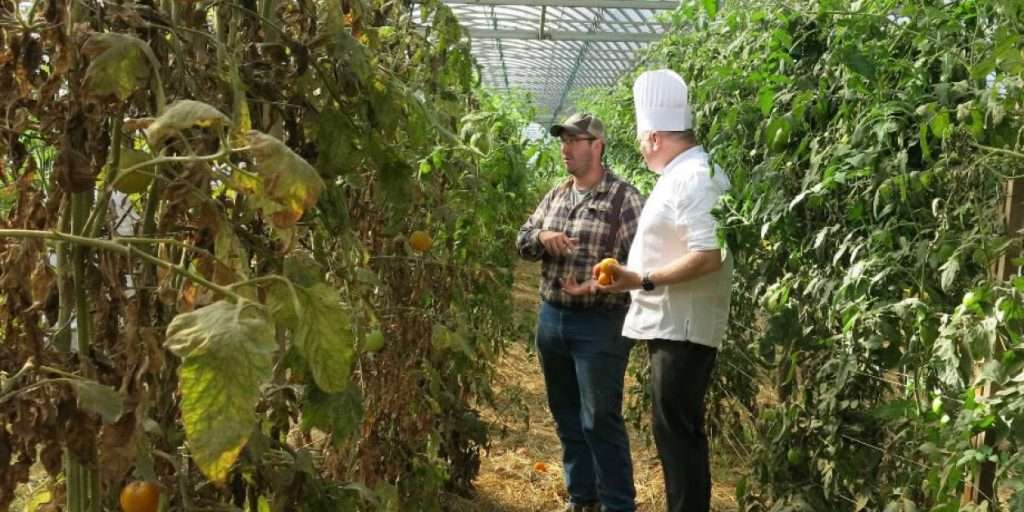
For this year’s celebration, Metz Culinary Management turned the spotlight on the sustainability practices the company has implemented across its higher education accounts — from sourcing locally grown produce to reducing food waste and supporting community food programs.
“Sustainability is more than a once-a-year focus. It’s a core part of our company’s mission to deliver dining experiences that are responsible, community-driven, and forward-looking,” said Ed Knake, Metz Corporate Executive Chef for Higher Education & Independent Schools. “Our chefs and managers are deeply engaged in reducing waste and supporting local producers in ways that make a real impact,” he said.
According to Chef Knake, sustainability initiatives take several forms across Metz-managed campuses. Examples include:
- Local Farm Partnerships: Metz partners with nearby growers to source produce and dairy from local and organic farms, significantly reducing food miles and supporting regional agriculture.
- Food Waste Reduction: Through the Leanpath tracking program, Metz continually monitors and reduces post-consumer food waste in dining halls and catering operations. The data-driven system helps staff identify opportunities to cut waste and improve operational efficiency.
- Community Impact: Several campus dining programs donate surplus food to local shelters and farms, ensuring that quality meals and food scraps are redirected to nourish people and livestock rather than end up in landfills.
According to Chef Knake, the push for sustainability is having a cultural effect in kitchen operations. “We’ve seen a real shift toward mindfulness,” he said. “Our teams are highly aware of what’s being produced, served, and discarded. They take pride in making a positive difference.”